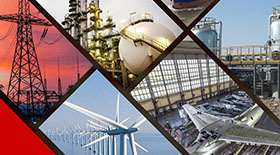
A36 steel is one of the most widely used carbon structural steels in the construction, manufacturing, and engineering industries. Known for its excellent weldability, machinability, and cost-effectiveness, A36 steel provides reliable performance for a broad range of structural and fabrication applications.
Produced according to ASTM A36 specifications, this low-carbon steel offers a good balance of strength, toughness, and ductility. Its versatility makes it a preferred material for buildings, bridges, industrial equipment, storage tanks, and steel structures where dependable mechanical properties are required.
|
Feature
|
Benefit
|
|
Good Weldability
|
Easy fabrication and assembly
|
|
Excellent Machinability
|
Suitable for various processing methods
|
|
Reliable Strength
|
Supports structural applications
|
|
High Versatility
|
Used across multiple industries
|
|
Cost-Effective Material
|
Helps control project costs
|
A36 steel is commonly supplied in plates, bars, angles, channels, and structural sections. Its adaptability allows engineers and fabricators to use it in both simple and complex projects requiring durable and dependable steel components.
As infrastructure and
industrial development continue to expand worldwide, A36 steel remains a trusted material choice due to its proven performance, availability, and economic advantages.
FAQ
1. What is A36 steel?
A36 steel is a low-carbon structural steel produced according to ASTM A36 standards and widely used in construction and manufacturing.
2. What are the advantages of A36 steel?
A36 steel offers good strength, excellent weldability, easy machining, versatility, and cost-effective performance.
3. What industries commonly use A36 steel?
It is widely used in construction, infrastructure, machinery manufacturing, transportation, and industrial fabrication projects.
4. Can A36 steel be welded easily?
Yes. A36 steel is known for its excellent weldability and is compatible with many common welding processes.

 English
 Español
 Português
 Français
 русский язык