High-temperature alloy steel pipes play a crucial role in modern industry. From jet engines in aerospace to high-temperature pipelines in the petrochemical industry, they must withstand extreme temperatures and pressures. To meet the demands of high-temperature resistance, engineers continuously explore and innovate, driving the development of high-temperature alloy steel pipes.
1. Material Selection and Development of High-Temperature Alloy Steel Pipes.
High-temperature alloy steel pipes must possess excellent heat resistance and corrosion resistance. Commonly used alloying elements include nickel, chromium, and molybdenum, which can form a stable oxide film at high temperatures, protecting the steel pipe from oxidation and corrosion. Furthermore, the addition of elements such as titanium and niobium can improve the strength and stability of the steel pipe.
2. Breakthroughs in the Manufacturing Process of High-Temperature Alloy Steel Pipes.
To ensure the performance of high-temperature alloy steel pipes, the manufacturing process is crucial. Advanced heat treatment technologies, such as homogenization annealing and solution treatment, can improve the grain size and crystal structure of the steel pipe, enhancing its heat resistance and tensile strength. Simultaneously, the use of precision forming equipment and control systems ensures the dimensional accuracy and surface quality of the steel pipe.
3. Expanding Application Areas of High-Temperature Alloy Steel Pipes.
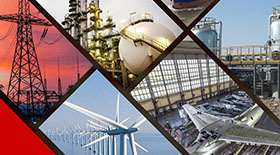
High-temperature alloy steel pipes are widely used in aerospace, petrochemical, and energy industries. In aero engines, they are responsible for transporting high-temperature, high-pressure gases, ensuring normal engine operation. In oil refineries and chemical plants, they are used to transport high-temperature corrosive media, ensuring the safe and stable operation of production equipment.
4. Challenges and Opportunities for High-Temperature Alloy Steel Pipes.
Although significant breakthroughs have been achieved in high-temperature alloy steel pipes, some challenges remain. Firstly, there are issues of cost and manufacturing difficulty. High-temperature alloy materials are expensive, and the manufacturing process is complex, leading to high product costs. Secondly, there is the challenge of balancing performance and environmental protection. The manufacturing process of high-temperature alloy steel pipes may generate large amounts of waste gas and wastewater, causing some environmental impact. However, with technological advancements and process improvements, these problems will gradually be resolved. In the future, with the continuous development of industries such as aerospace and petrochemicals, the demand for high-temperature alloy steel pipes will continue to increase, bringing more opportunities to related technologies and industries.
The research and application of high-temperature alloy steel pipes represent a significant breakthrough in modern engineering technology. Through material selection and research and development, breakthroughs in manufacturing processes, and expansion of application areas, we continuously improve the performance and quality of industrial products, driving the development and progress of human society. On the road ahead, let us join hands and create a better tomorrow together.

 English
 Español
 Português
 Français
 русский язык