First, what are the differences between
anti-corrosion steel pipes and galvanized steel pipes?
Although both are pipe materials, they differ in material, manufacturing process, anti-corrosion performance, and application scenarios.
1. Material differences: Anti-corrosion steel pipes are made from high-quality seamless steel pipes after surface treatment. Their materials are mainly Q235B, Q345B, 16Mn, etc., and can be selected according to the actual usage environment. Galvanized steel pipes, on the other hand, are made from ordinary black pipes through electroplating, hot-dip galvanizing, etc., and their materials are mainly low-carbon steels such as Q195, Q215, Q235, etc.
2. Manufacturing process differences: Anti-corrosion steel pipes mainly achieve their anti-corrosion purpose through various surface treatments, such as anti-corrosion coatings and spraying. Galvanized steel pipes, on the other hand, are manufactured using chemical and physical technologies such as electrolysis and hot-dip galvanizing to create a zinc coating, achieving both corrosion resistance and aesthetic appeal.
3. Differences in corrosion resistance between anti-corrosion steel pipes and galvanized steel pipes: Anti-corrosion steel pipes offer superior corrosion resistance and a longer service life in harsh environments. Their anti-corrosion layer is applied using processes such as epoxy resin coating or asphalt paint coating, achieving a service life of over 10 years. While galvanized steel pipes also provide corrosion resistance through their zinc coating, their corrosion resistance and service life are slightly inferior to those of anti-corrosion steel pipes.
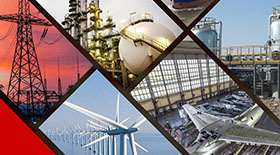
4. Differences in application scenarios between anti-corrosion steel pipes and galvanized steel pipes: Anti-corrosion steel pipes are widely used in chemical, power, petroleum, municipal construction, railway, and bridge industries. These fields require pipelines with strong corrosion resistance, enabling them to operate for extended periods in harsh environments. Galvanized steel pipes are primarily used in indoor applications such as construction, decoration, and furniture. These environments are typically dry and well-ventilated, requiring less stringent corrosion resistance.
Second, which is more durable anti-corrosion steel pipe or galvanized steel pipe?
Both anti-corrosion steel pipe and galvanized steel pipe have advantages in durability, depending on the usage environment and requirements.
1. The durability of anti-corrosion steel pipe mainly lies in its excellent anti-corrosion performance. It uses a special anti-corrosion coating that effectively resists the erosion of soil, acids, alkalis, and other substances, ensuring long-term stable operation in harsh environments. This type of steel pipe is often used in highly corrosive environments such as the chemical and power industries because it can withstand the erosion of chemicals and moisture in these environments, thus greatly extending the service life of the steel pipe.
2. Galvanized steel pipe improves its durability by coating its surface with a layer of zinc. This zinc layer prevents the steel pipe from being corroded by air, moisture, and other corrosive substances, providing excellent protection. Galvanized steel pipe exhibits good durability and stability in general environments, such as construction and water supply systems.
Therefore, when comparing the durability of the two, the specific usage environment and requirements must be considered. In environments requiring high corrosion resistance, such as chemical and petroleum industries, anti-corrosion steel pipes may be more advantageous; while in some indoor locations or occasions where aesthetics are a certain requirement, galvanized steel pipes may be more suitable.

 English
 Español
 Português
 Français
 русский язык